Damaged Hair Repair Programs
Damaged Hair Repair Programs
Damaged hair repair programs are among the most popular services offered by Korean salons and hair clinics. These treatments are designed to improve the condition of hair affected by bleaching, coloring, perming, heat styling, and environmental stress. Rather than providing a temporary cosmetic improvement, many repair programs focus on restoring moisture, strengthening the hair shaft, and improving overall hair manageability.
What Causes Hair Damage?
Hair damage can occur gradually or after intensive chemical services.
Common causes include:
- Hair bleaching
- Frequent coloring
- Perm treatments
- Heat styling tools
- UV exposure
- Mechanical damage from brushing
- Lack of proper hair care
Understanding the source of damage helps determine the most appropriate treatment plan.
Signs of Damaged Hair
Many people seek repair treatments when they notice changes in hair quality.
Common signs include:
- Dryness
- Frizz
- Split ends
- Loss of shine
- Tangling
- Breakage
- Rough texture
The severity of these symptoms often influences the type of treatment recommended.
Protein Repair Treatments
Protein-based treatments are commonly used for structurally weakened hair.
Potential benefits include:
- Improved hair strength
- Reduced breakage
- Enhanced elasticity
- Better resilience
- Smoother texture
- Improved manageability
These treatments are often recommended after bleaching or repeated chemical services.
Moisture Recovery Programs
Hydration is an essential part of damaged hair repair.
Common components include:
- Deep conditioning masks
- Moisture ampoules
- Nourishing hair packs
- Hydrating serums
- Intensive conditioning treatments
These programs focus on restoring softness and flexibility.
Keratin Repair Treatments
Keratin treatments are popular among individuals seeking smoother hair.
Potential benefits include:
- Frizz reduction
- Enhanced shine
- Improved smoothness
- Easier styling
- Softer texture
- More polished appearance
Many Korean salons offer customized keratin-based repair programs.
Premium Hair Clinic Repair Programs
Advanced hair clinics often combine multiple treatment methods.
Programs may include:
- Hair condition analysis
- Protein therapy
- Moisture therapy
- Scalp care
- Customized treatment plans
- Ongoing maintenance sessions
These comprehensive programs target both scalp and hair health.
Treatment Process
A typical damaged hair repair program often follows these steps:
- Hair condition assessment
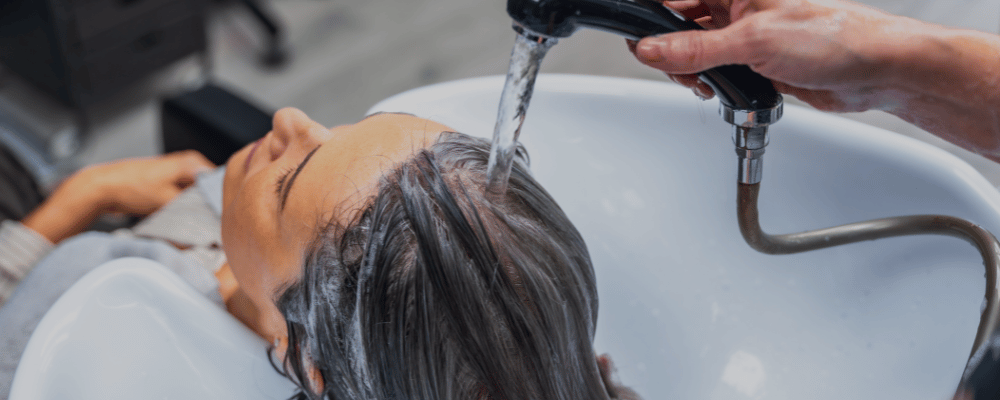
- Deep cleansing shampoo
- Protein or moisture treatment application
- Processing time
- Heat-assisted absorption
- Rinse and conditioning
- Final styling
The process usually takes 60 to 180 minutes depending on the treatment type.
Average Cost of Hair Repair Programs in Korea
Typical price ranges include:
- Basic repair treatment: ₩50,000–₩100,000+
- Intensive moisture treatment: ₩100,000–₩200,000+
- Protein repair program: ₩150,000–₩300,000+
- Premium keratin repair treatment: ₩200,000–₩500,000+
- Comprehensive hair restoration package: ₩500,000–₩1,000,000+
Prices vary according to hair length, damage level, and treatment complexity.
How to Maintain Results
Aftercare is important for prolonging treatment benefits.
Helpful habits include:
- Using moisturizing hair products
- Limiting heat styling
- Avoiding excessive bleaching
- Scheduling regular maintenance treatments
- Protecting hair from environmental damage
- Trimming damaged ends regularly
Consistent care helps maintain healthier-looking hair between treatments.
Final thoughts
Damaged hair repair programs in Korea focus on restoring moisture, improving strength, and enhancing overall hair quality. Whether damage is caused by bleaching, coloring, heat styling, or daily wear, professional treatments can help improve manageability and appearance. Combined with proper aftercare, these programs can be an effective way to maintain healthier, smoother, and more resilient hair over time.